Dr Kasturirangan

Cultivating Excellence
Futures Thinking
Advancing Humanity

We award fellowships and research support for scholars working at the intersection of education, science, and society.

Explore Our Work  ↗

Inspired by a life of inquiry

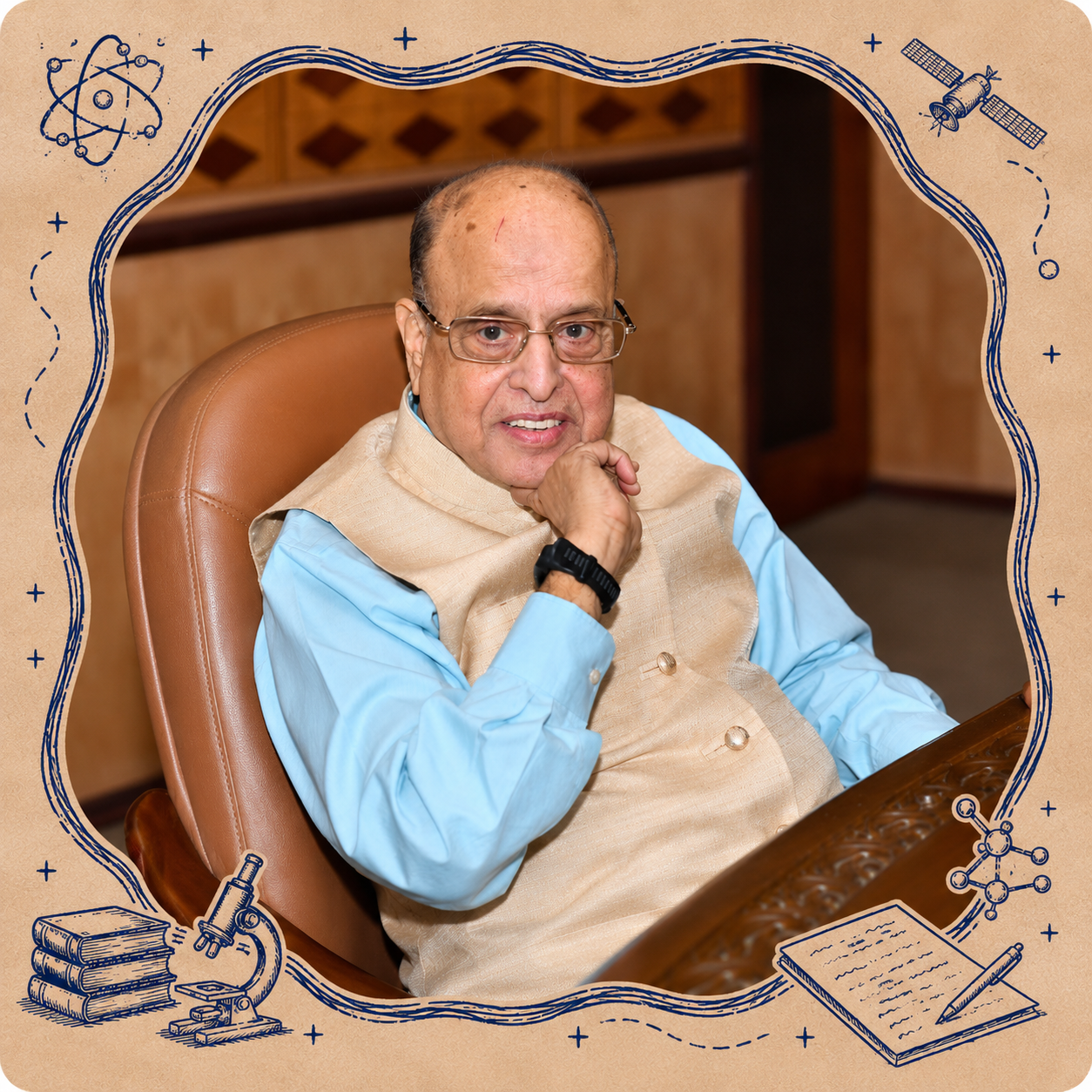
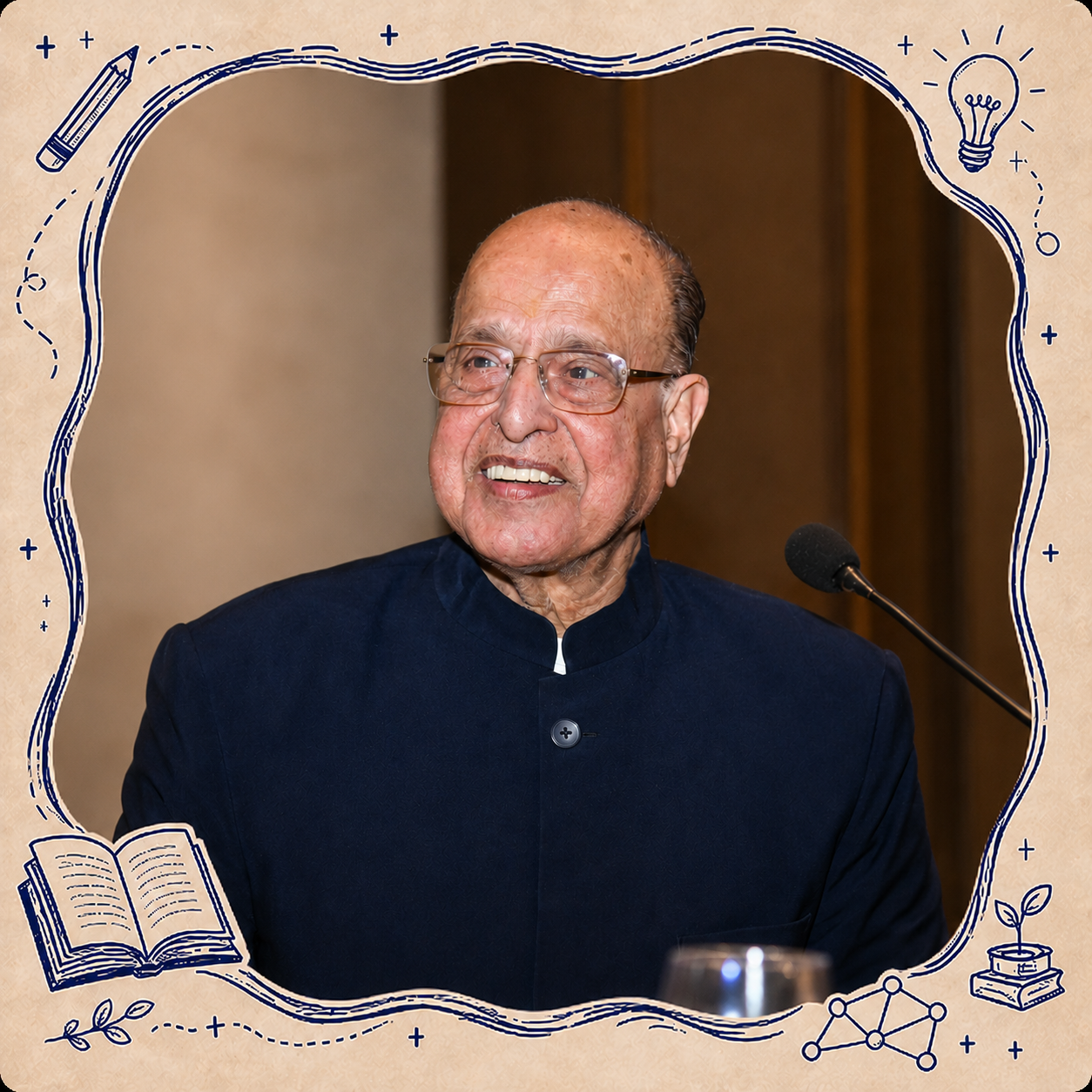
Dr Krishnaswamy Kasturirangan (24 October 1940 – 25 April 2025) was one of India’s most distinguished space scientists and institution builders.

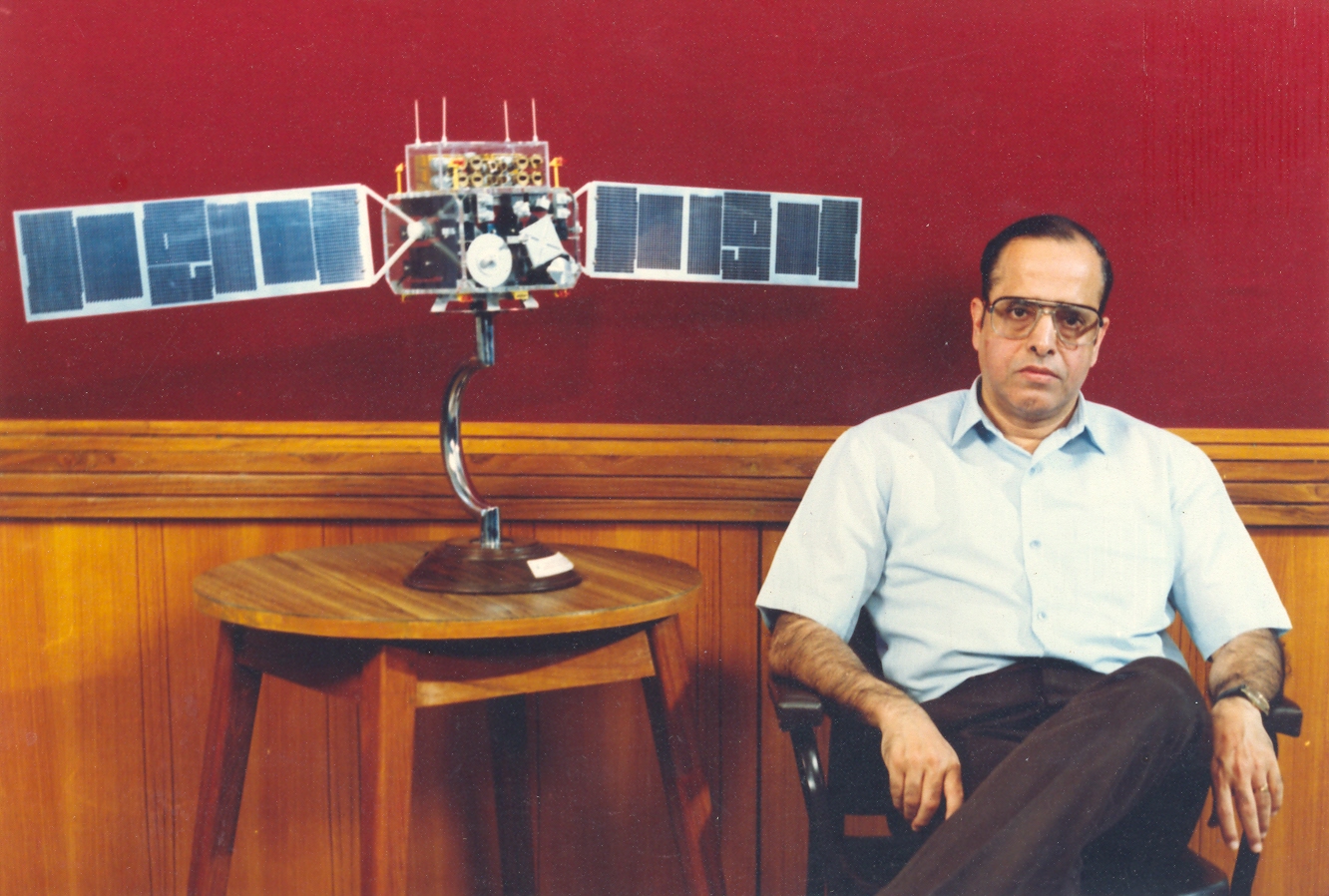
Over a career spanning five decades, he played a pivotal role in advancing India’s space programme through ISRO and steering national policy—first as a nominated member of the Rajya Sabha and later as a member of the Planning Commission. He went on to chair the panels that recommended India’s approach to environmental conservation in the Western Ghats and its National Education Policy 2020.

In recognition of his contributions, he was awarded the Padma Shri, Padma Bhushan, and Padma Vibhushan. His life’s work reflects a rare blend of scientific excellence, institution-building, and public service.

The Dr Kasturirangan Trust was formed to honour and continue his legacy, his spirit of innovation, interdisciplinary thinking, and commitment to national development through knowledge and education.
Where Curiosity Led

A scientist’s case in Parliament

In December 2007, Dr Kasturirangan spoke in the Rajya Sabha on the India–US civil nuclear agreement, then among the most contested questions in Indian politics. He argued it on its technical merits, keeping in mind the country’s growth and available natural resources. Beneath his stand lay his conviction that ‘international cooperation in science and technology has always served to enrich and accelerate indigenous efforts.’

A scientist’s case in Parliament

Drafting the National Education Policy

“Why me?” wondered Dr Kasturirangan, when he was asked to lead the drafting of the new education policy. The answer, he decided, lay in the question itself. Carrying no existing allegiances to education, he was unconstrained to seek inputs from people of varied backgrounds, expertise, and ideological viewpoints, leading to a well-rounded NEP 2020.

Unfamiliar terrains

Deep respect for fellow scientists

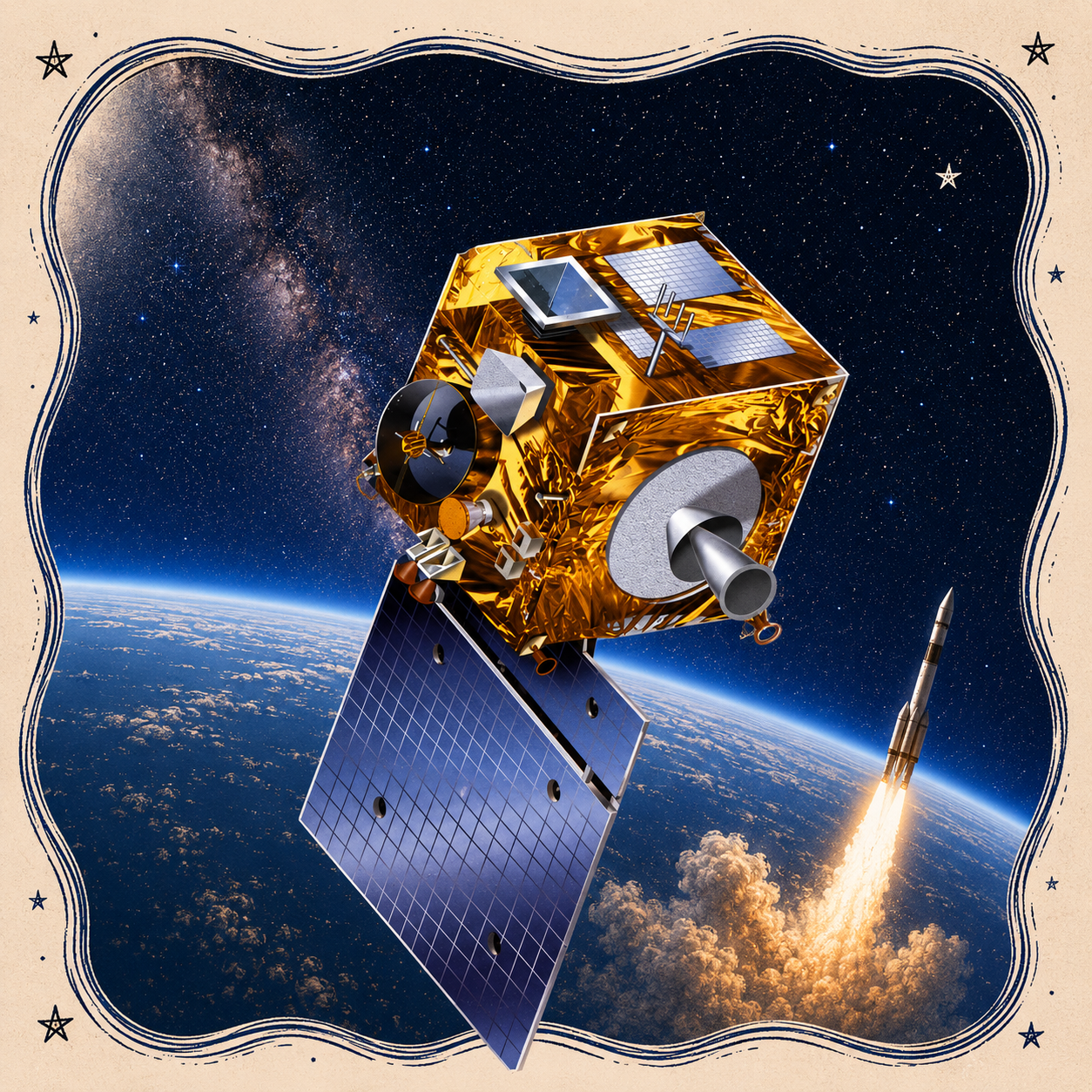
Dr Kasturirangan was thrilled when Indian-origin astronaut Kalpana Chawla took her first flight to space in 1997 and devastated by her death six years later in the space shuttle Columbia disaster. “She fired the minds of a new generation,” he noted at a memorial meeting. He was behind the renaming of METSAT, a meteorological satellite built by ISRO, as KALPANA-1 in her honour.

Deep respect for fellow scientists

Cultivating Excellence. Futures Thinking. Advancing Humanity.